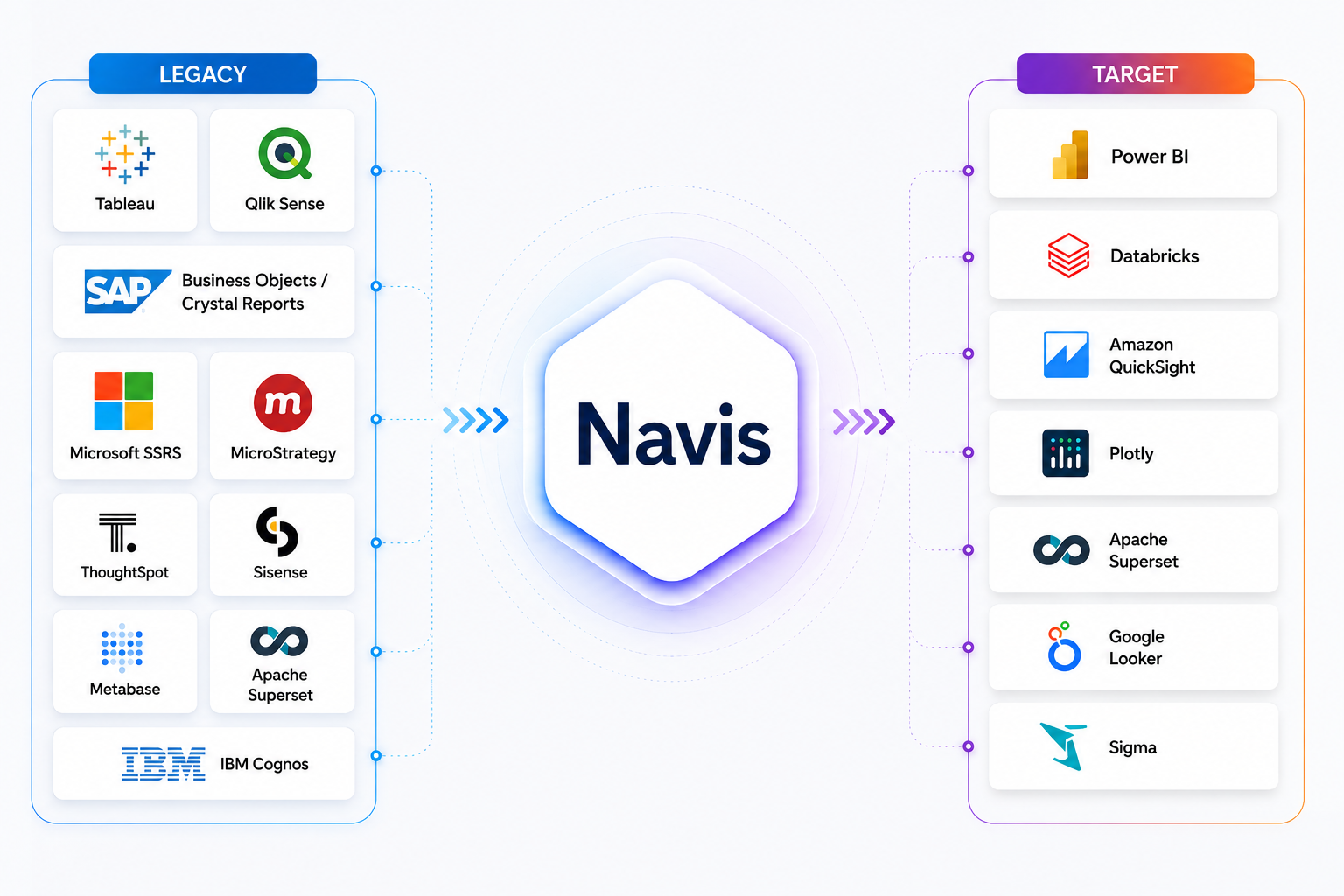
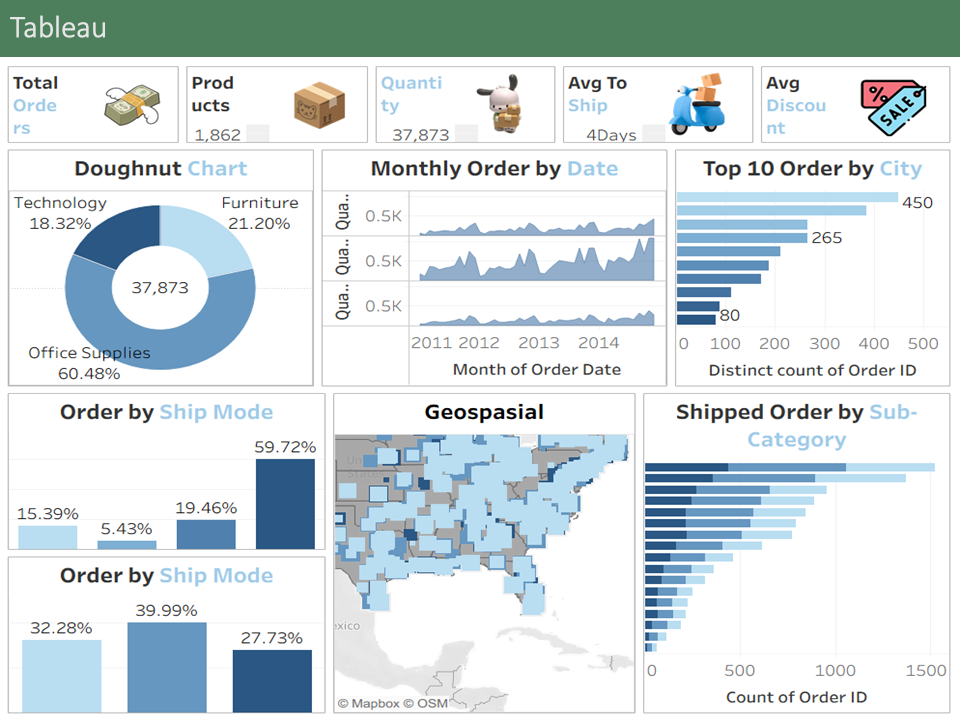
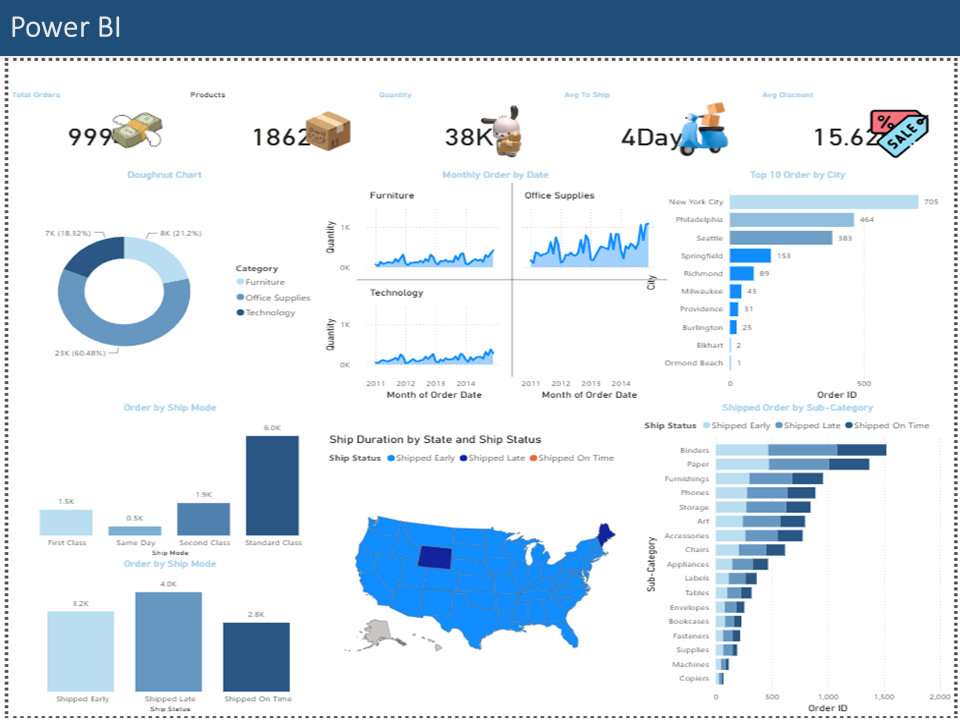
Navis migrates dashboards and reports across ten legacy BI platforms to three modern targets Power BI, Databricks AI/BI, and Amazon QuickSight with every calculation proven to match, not promised to work. Built to keep extending as the BI landscape moves.
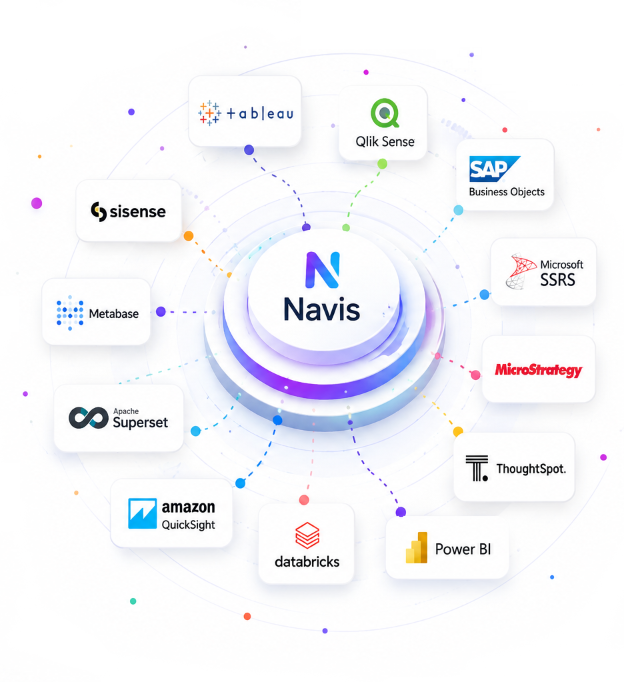
Every path below is fully built and tested today. Navis's architecture is designed to extend to new sources and new targets as the BI landscape evolves additional targets are already in active development.
This reflects what's proven today, not a ceiling. As new BI platforms gain adoption, Navis is built to extend to them.
See your estate's complexity and coverage across all ten platforms before any conversation with us.
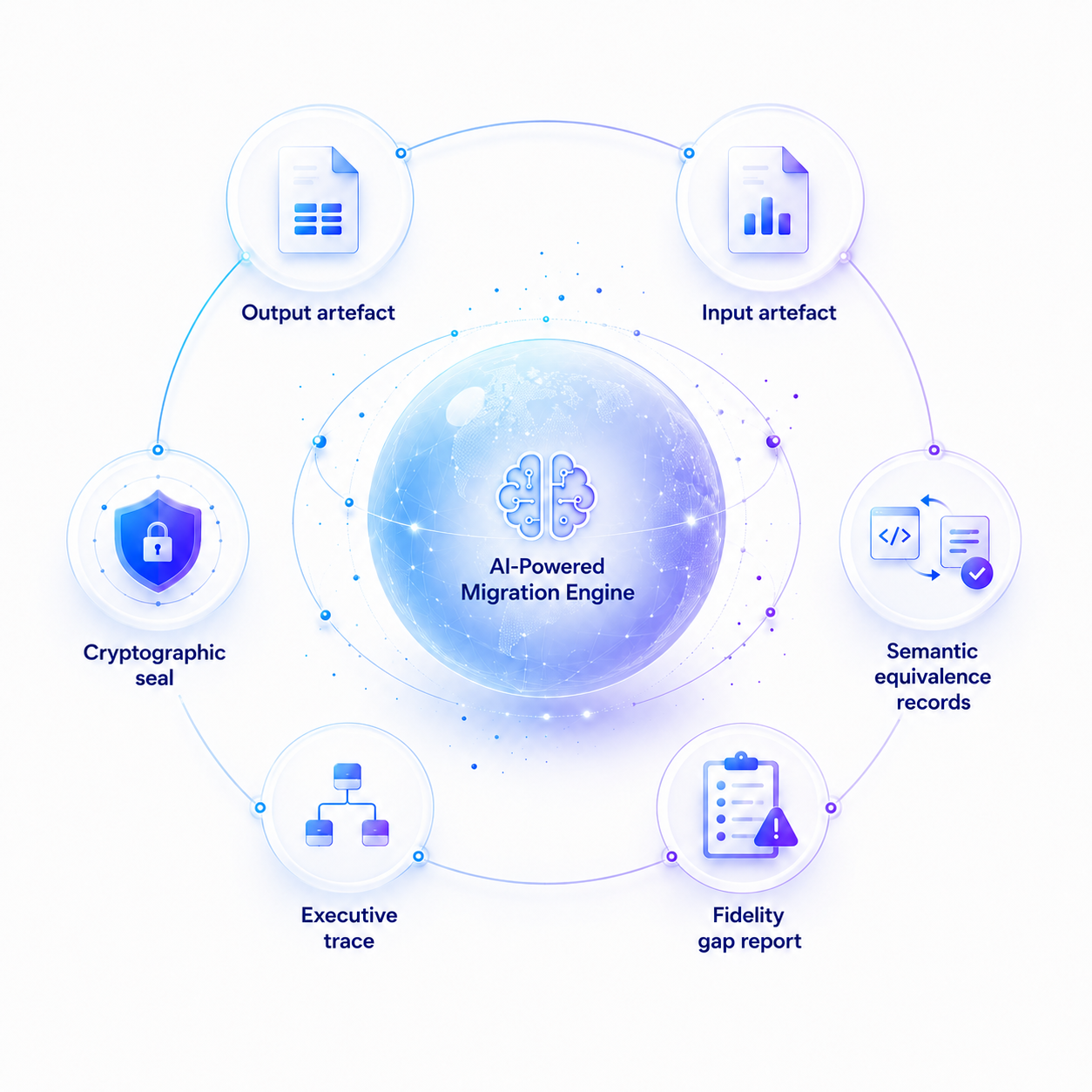
Produce the full converted project with a signed evidence capsule, licensed for your estate at scale.
At any point in the cycle, or for enterprise engagements, contact us.
Every stage carries the same standard of proof nothing is asserted that hasn't been validated. Reach out when you're ready to move from evaluation to a licensed conversion, and we'll scope the engagement around your estate.
Migration path for this platform combination is coming soon.
Migrated already using another tool, an LLM, or by hand? Run a consult check against the original source file. In seconds, you'll know exactly which calculations are correct, which are equivalent but written differently, which need review, and which are missing entirely no ambiguity, no guesswork.
Legacy BI platforms carry high recurring fees that only grow with usage and users.
Reporting and analytics are moving to cloud and AI-ready platforms; standalone BI tools are being consolidated into that shift, not left outside it.
Tools like Crystal Reports and SSRS see less investment and support every year the estate isn't getting easier to move the longer it waits.
The single biggest reason BI migrations stall is fear that the new reports will show different numbers. Navis removes that fear with proof, not reassurance.
Navis breaks every calculation into minimal, validated semantic building blocks, individually tested by running both the original expression and its converted equivalent against a reference dataset until results match exactly. A formally proved composition rule extends this from a finite library of validated patterns to the full space of real-world expressions your reports actually use across any of the ten legacy platforms.
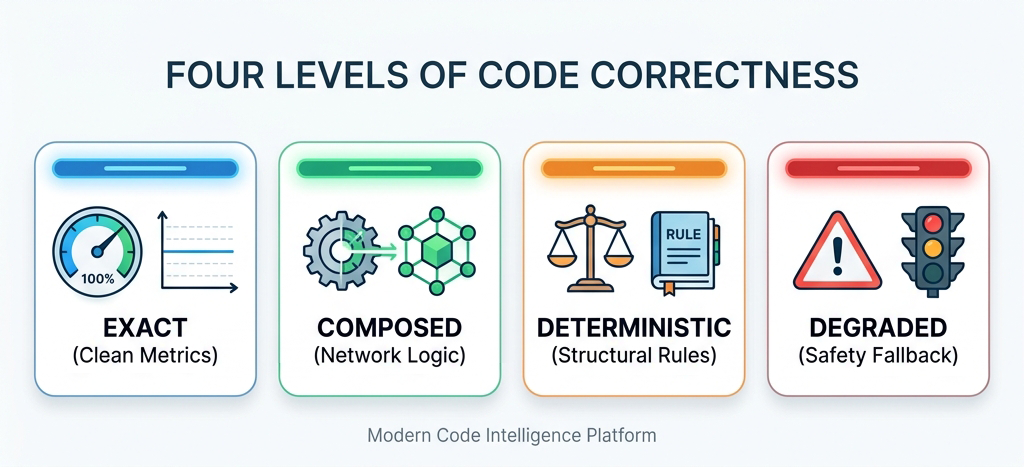
Individually validated against reference data across every evaluation context.
Derived from validated building blocks; correctness guaranteed without a separate test.
Structural elements with a direct, definitional mapping no validation needed.
Cannot be fully translated; the gap is explicitly documented, never hidden.
Before (legacy platform):
After (target platform):
Navis decomposes this into two independently validated building blocks the zero-fallback sum, and the windowed average joined by a pure division operator. Because each block is individually proven and division is a pure operator, the composition theorem guarantees the combined result is correct without needing to test this exact combination separately.
In every migration, a very small number of calculations may have no equivalent on the target platform, because the target simply doesn't support that feature. Navis never hides or silently drops these. Before a project starts, you receive a clear list: what will migrate, what can't, and why.
A manual rebuild re-creates each report by hand, at whatever pace and consistency the team doing it can sustain. Navis converts the full estate through the same validated engine every time, so a 10-report pilot and a 500-report estate get identical rigor in days, not months.
They're identified before conversion starts, not discovered afterward. Every unmappable element is listed in the fidelity gap report with the reason it can't translate, so your team knows exactly what needs manual attention and why.
No. Navis operates only on exported metadata files, on your premises or inside your own VPC. It never connects to a live source or target system, and nothing is transmitted outside your environment.
Analyze and consult can be run at no or low cost to see your estate's complexity first. A full conversion licence is scoped to the size and makeup of your estate reach out for a quote once you know what you're working with.
Yes run consult against your original source file. It checks every calculation and reports whether each one is correct, equivalent but differently written, needs review, or missing, without touching your new environment.
Not necessarily. The ten sources and three targets shown are what's proven and fully tested today; the engine is built to extend as adoption shifts. Reach out and we'll tell you directly where your platform stands.
Let's discuss your goals and iterate towards a modern BI solution while preserving your time-tested business logic.